
eng
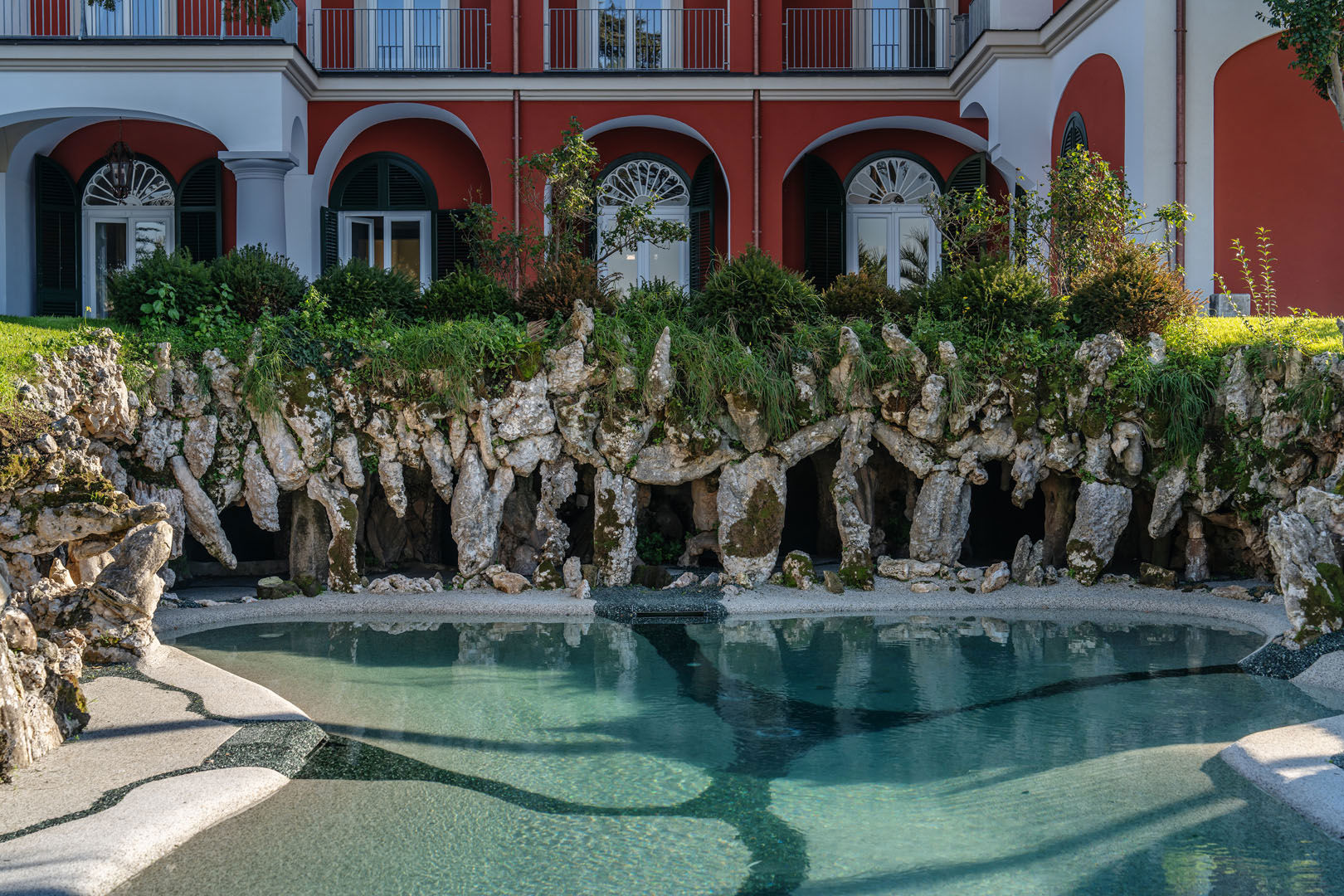
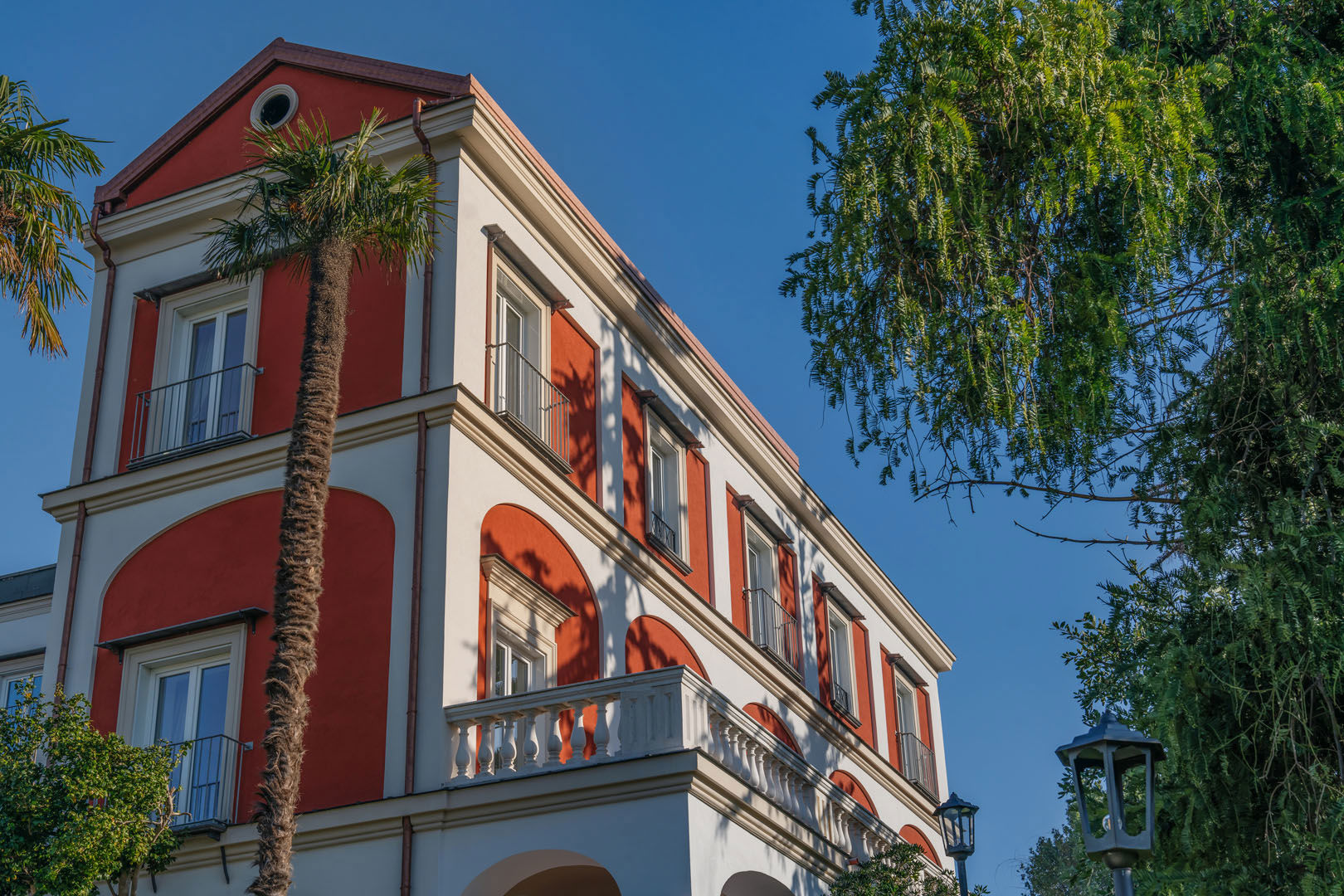
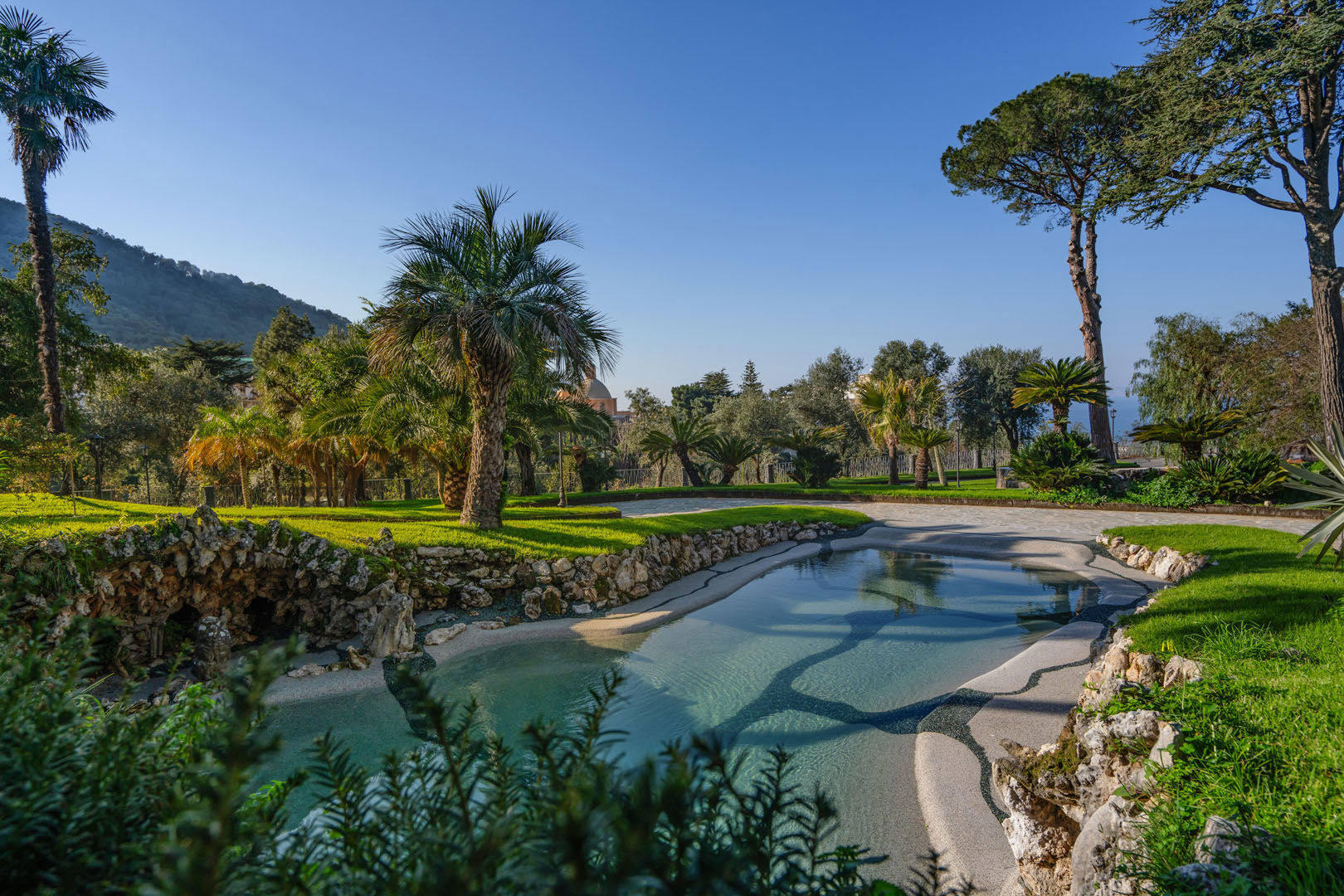
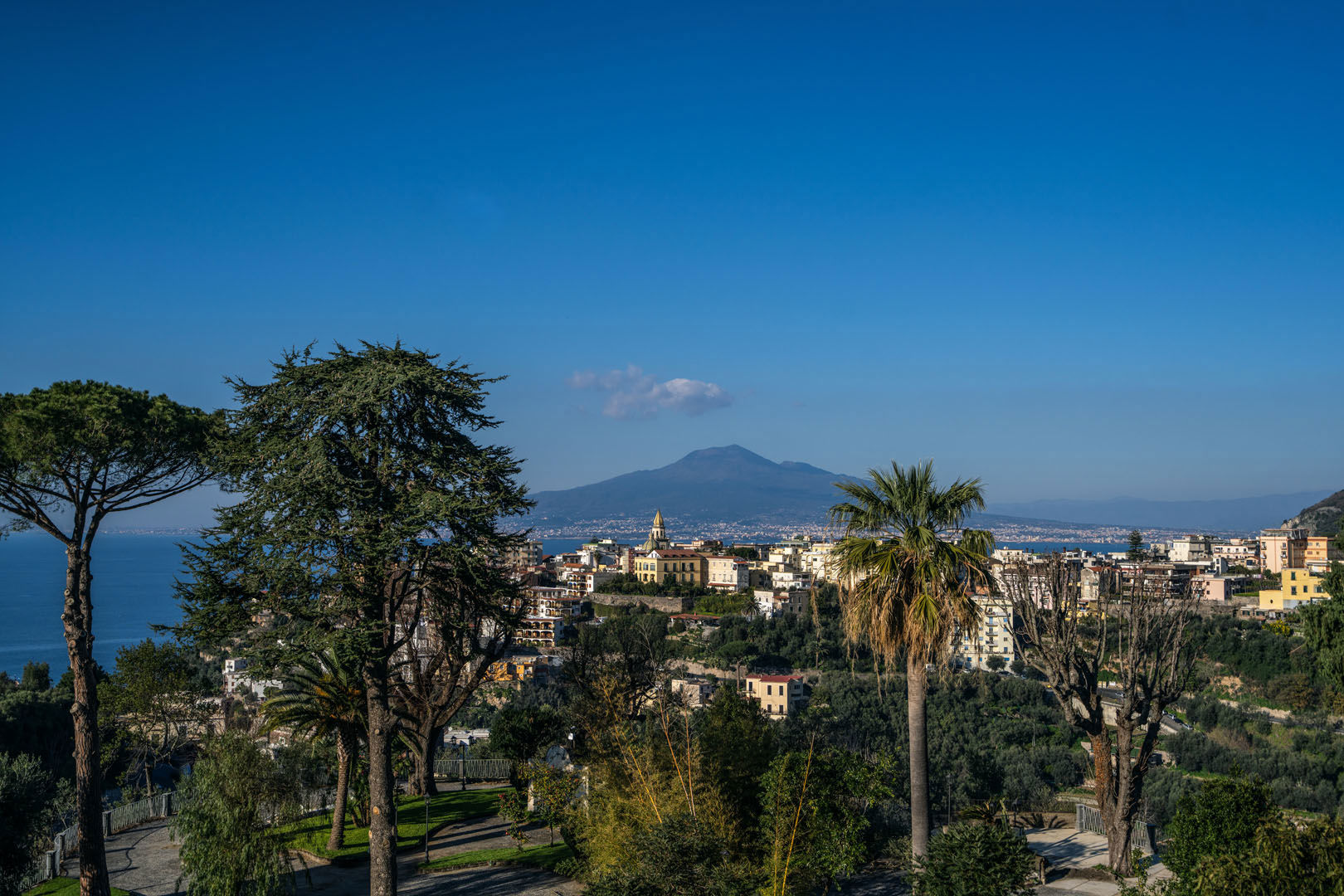
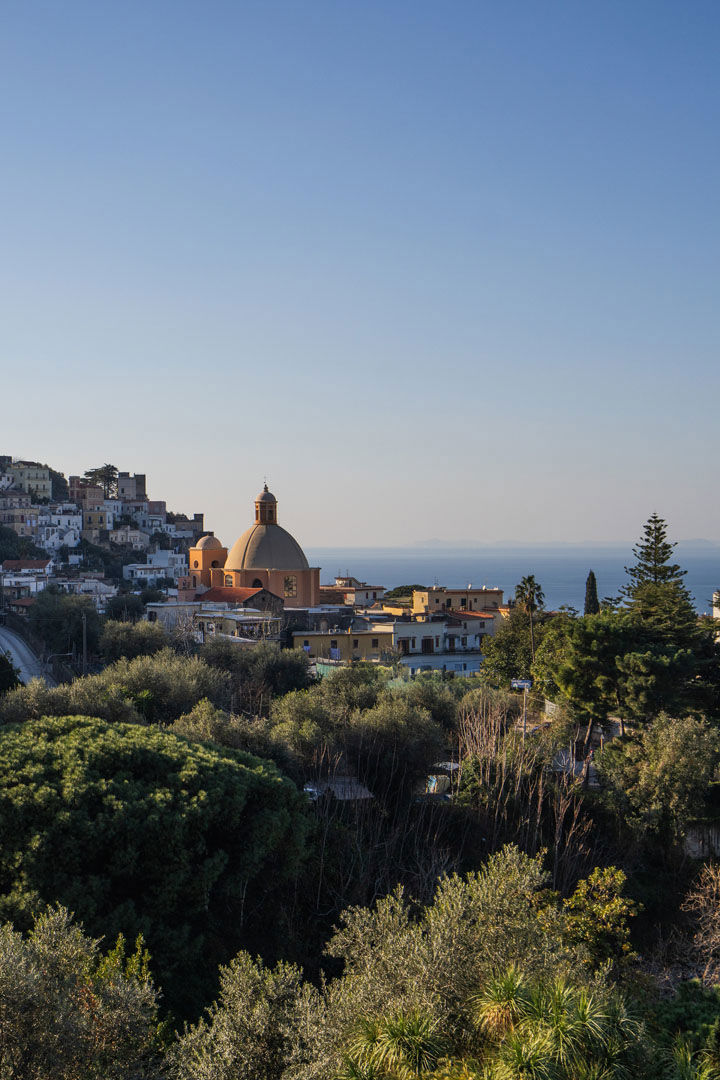
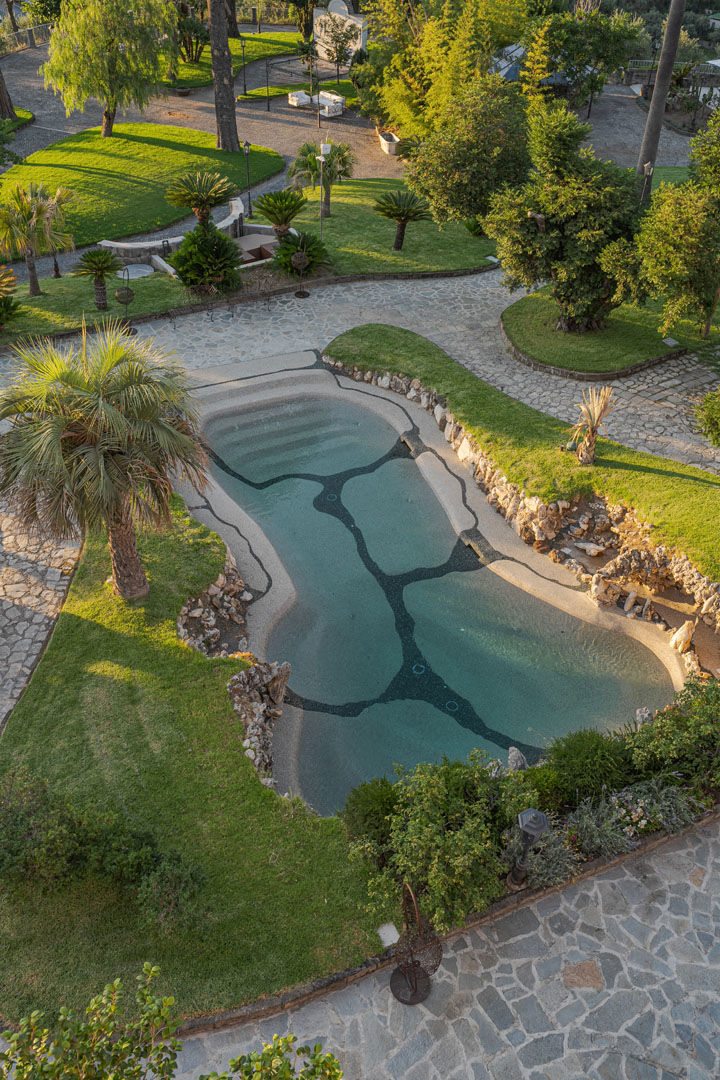
La Tuja Relais Du Parc 1832 is a boutique hotel in Seiano, created to welcome travellers who wish to dream not only with their eyes, but also with their hearts, surrounded by iconic views of Mount Vesuvius and the Gulf of Naples, and by the tranquillity of the lush nature of our century-old park in Vico Equense.
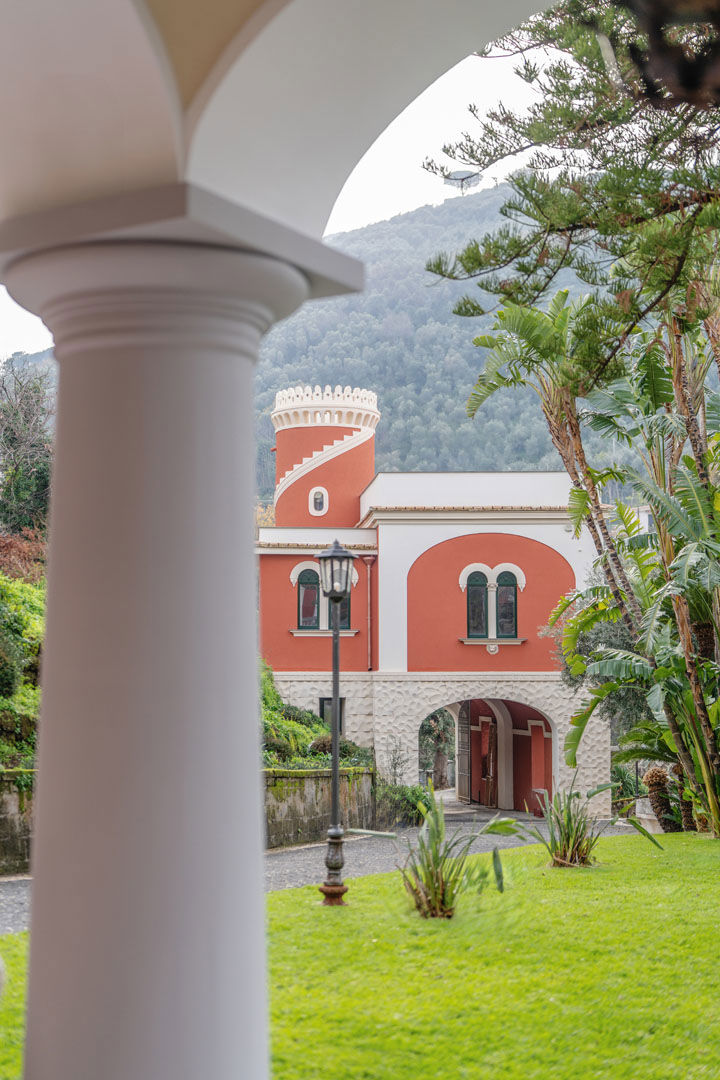
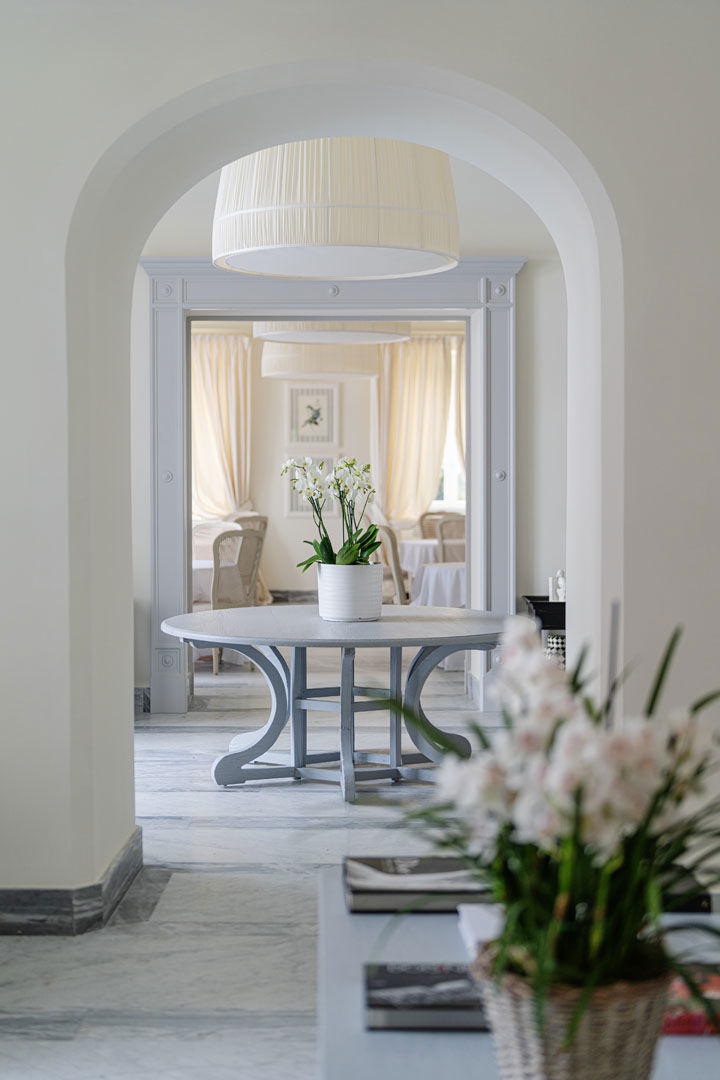
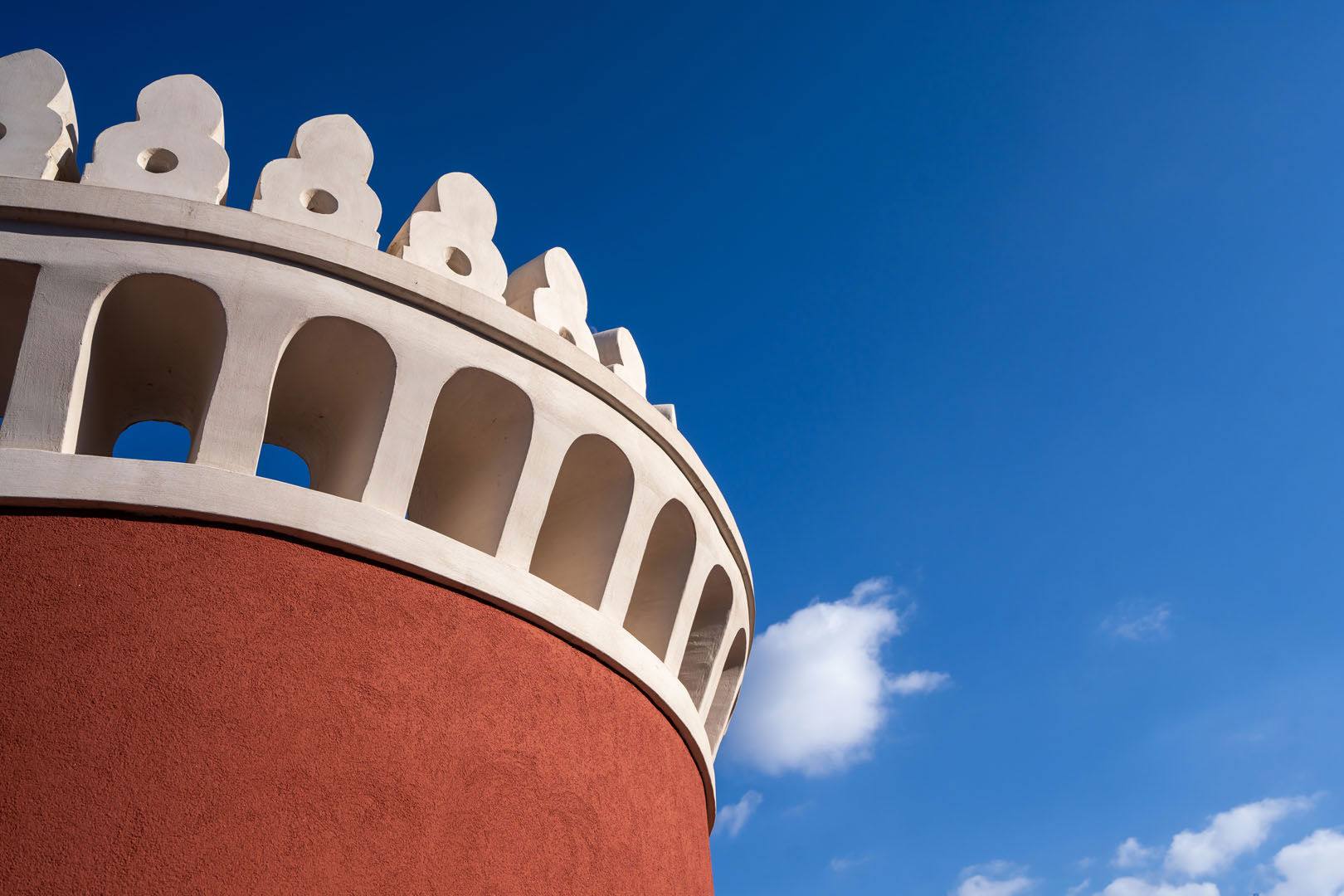
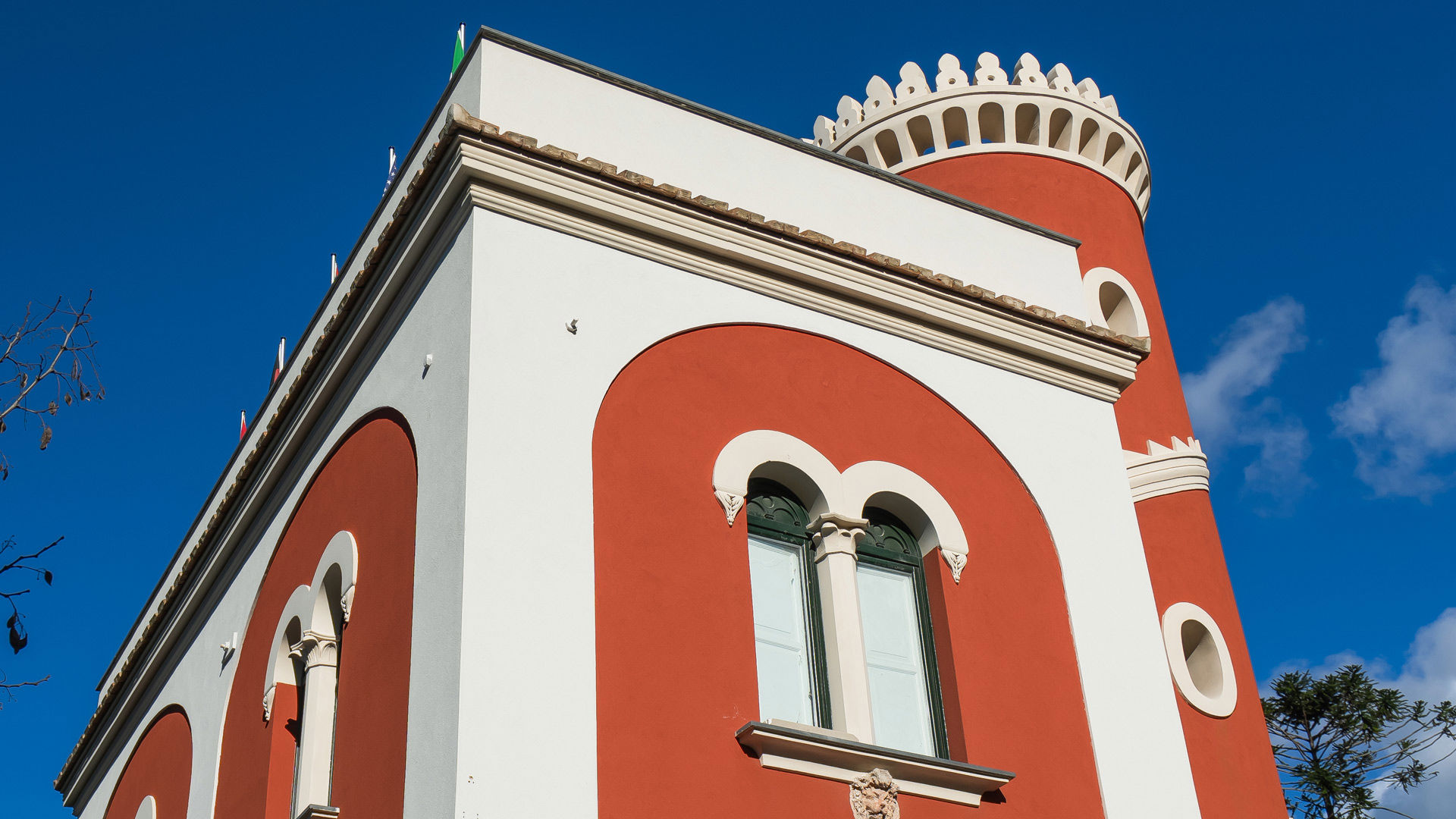
With a strong architectural identity that places La Tuja Relais Du Parc among the finest historic residences, the relais recalls a neo-medieval castle on the outside, while the interiors are enriched by refined Provençal-inspired and classical touches. Respect for original features such as the porticoes, wrought-iron windows and crenellated turret creates a sense of continuity with the noble Cilento family, as well as a harmonious relationship with the lush nature of the landscape surrounding the residence.
Discover more
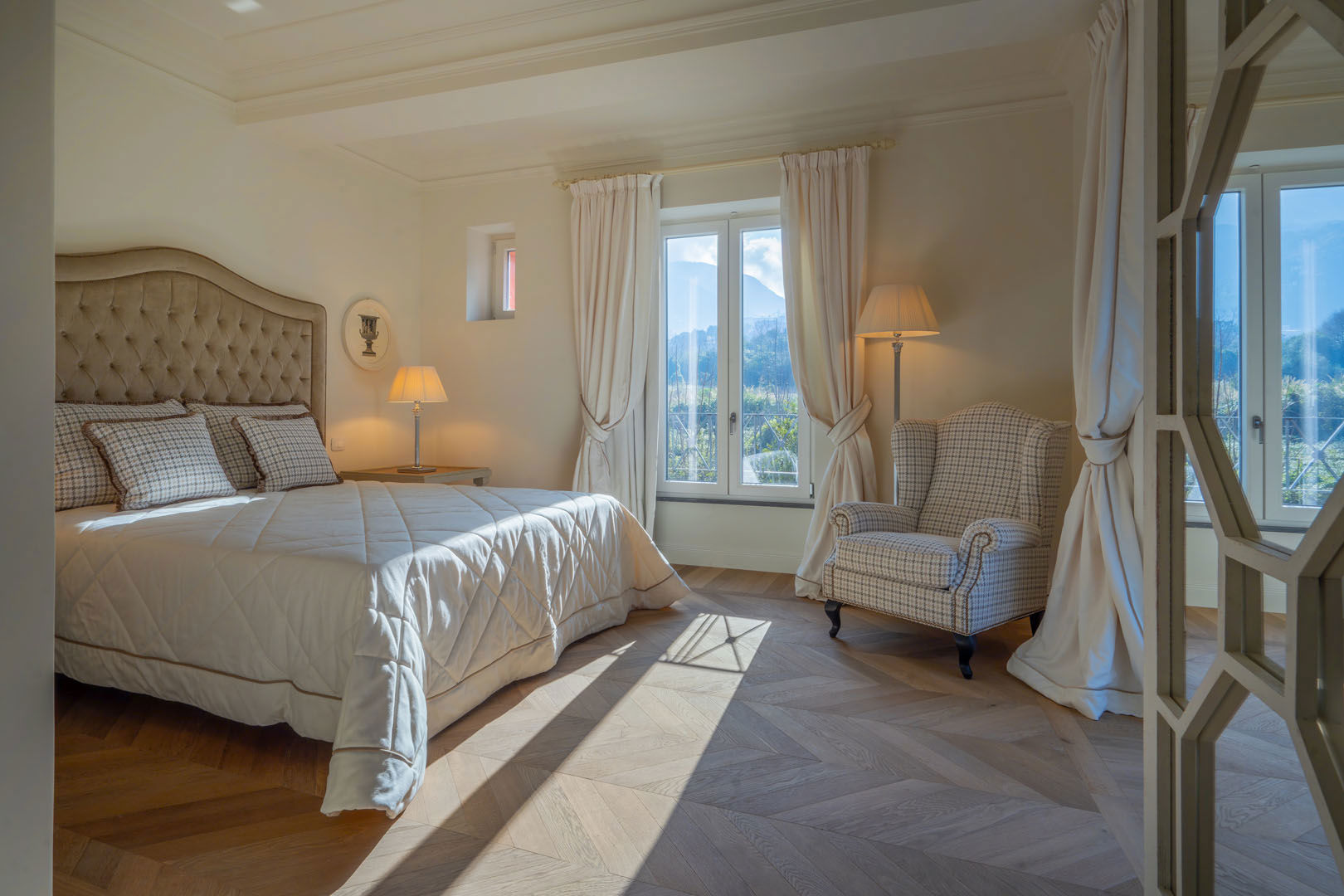
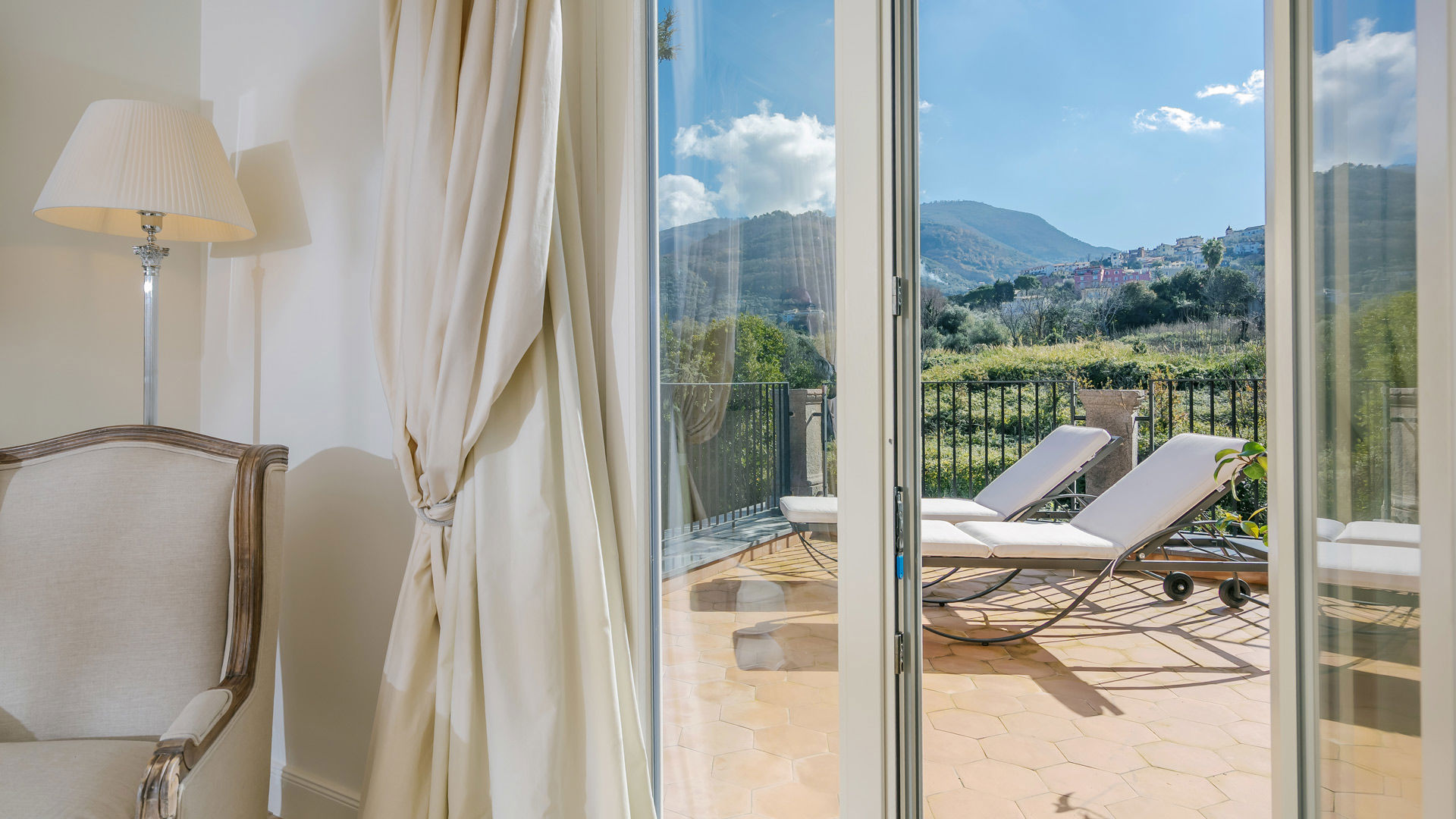
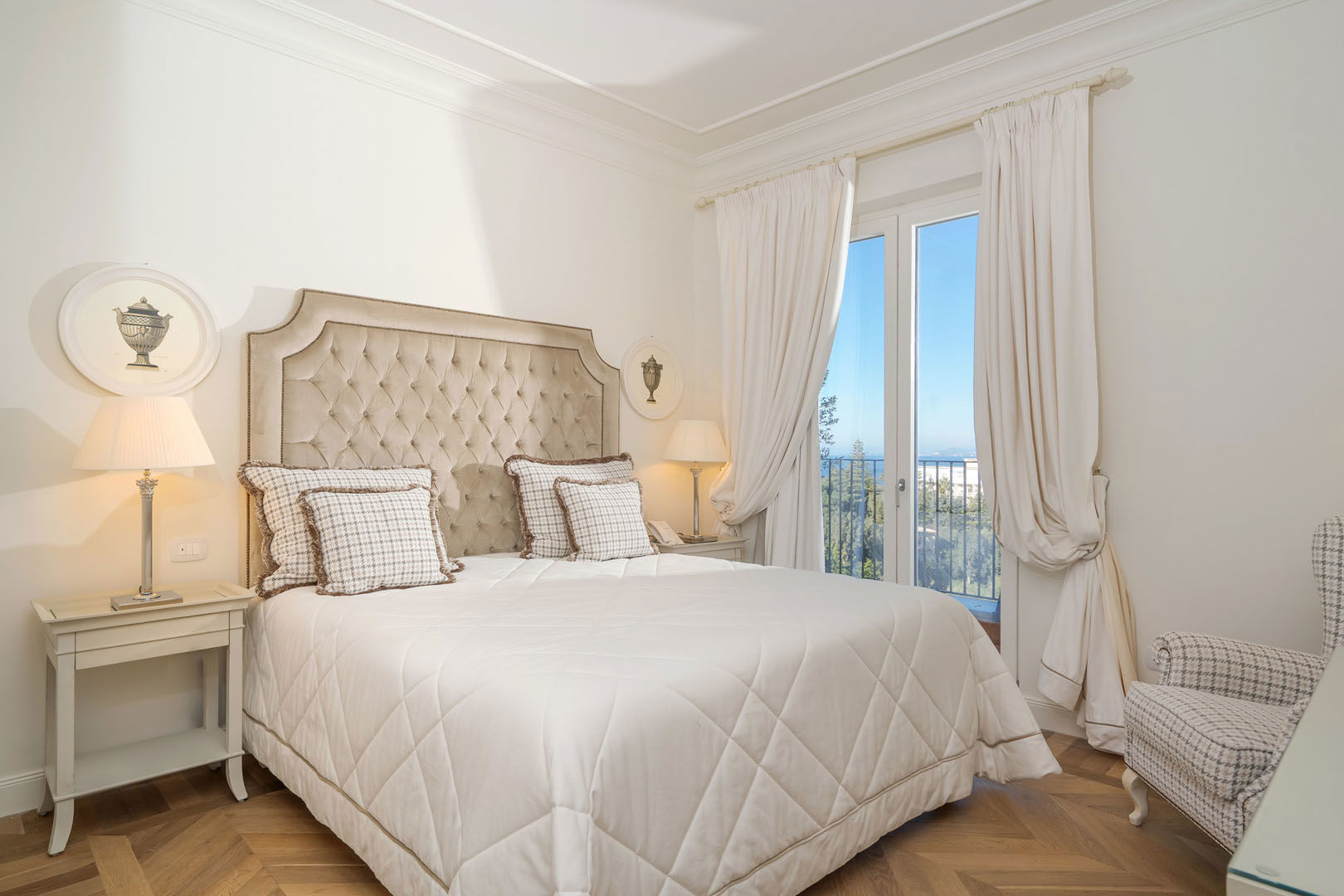
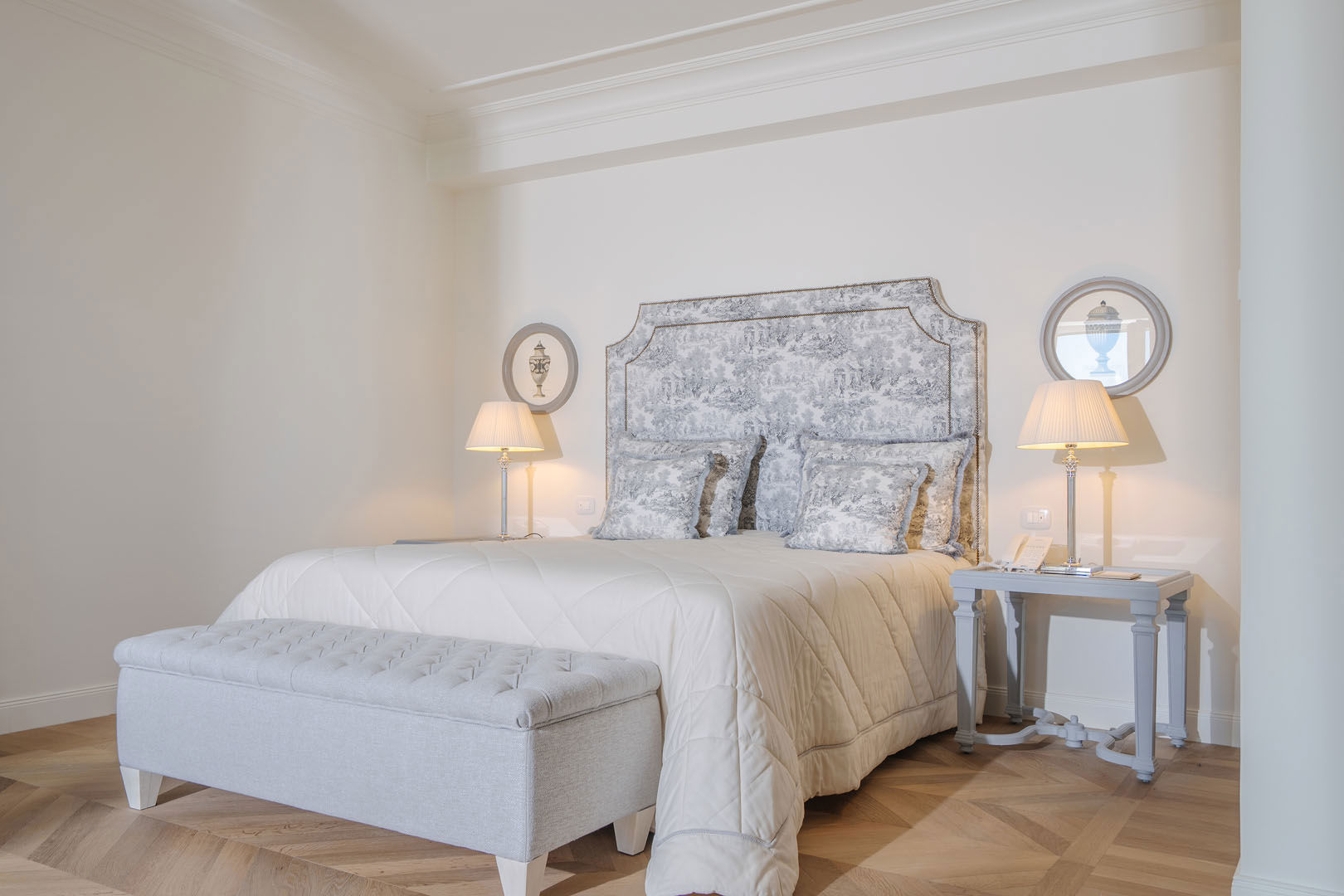
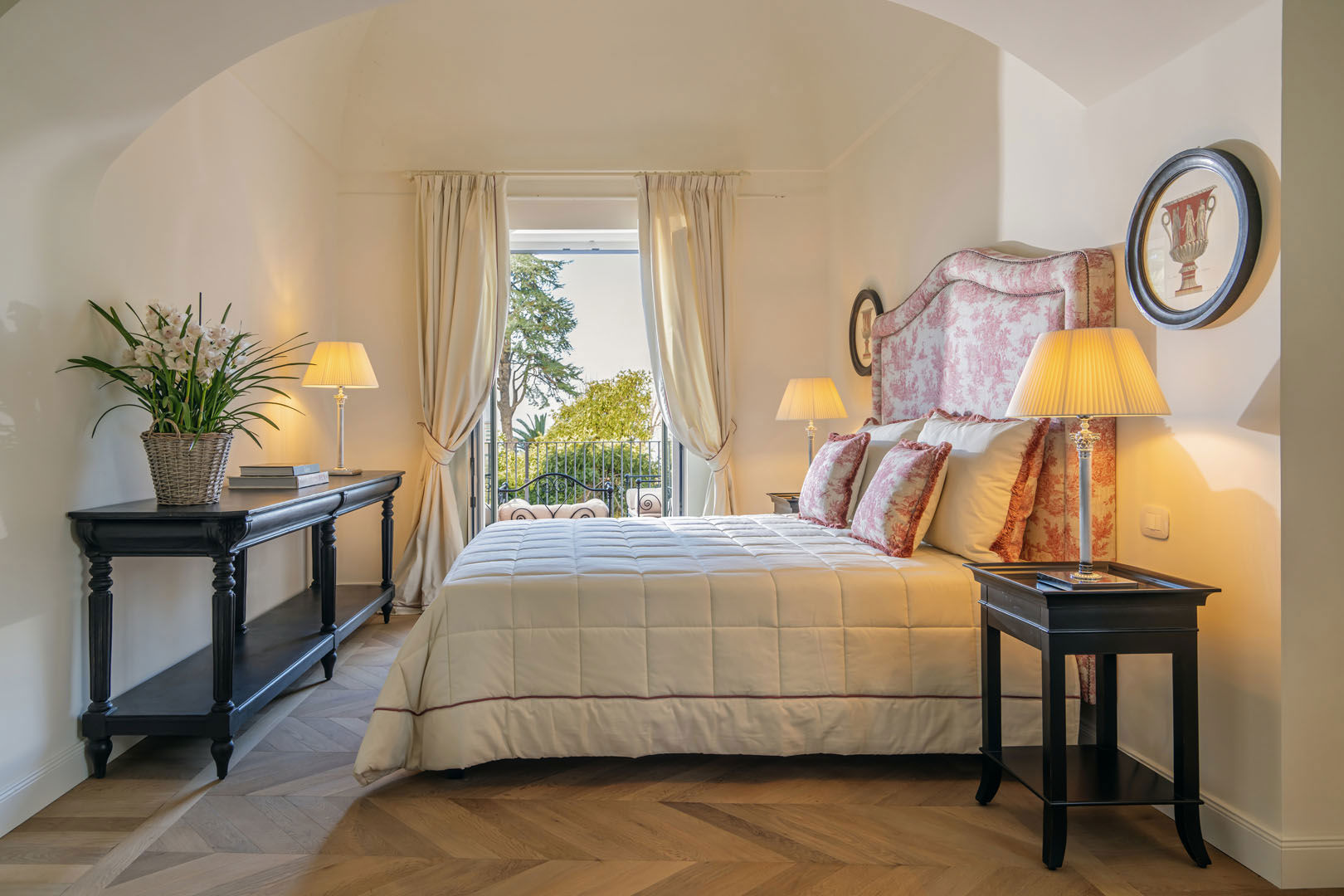
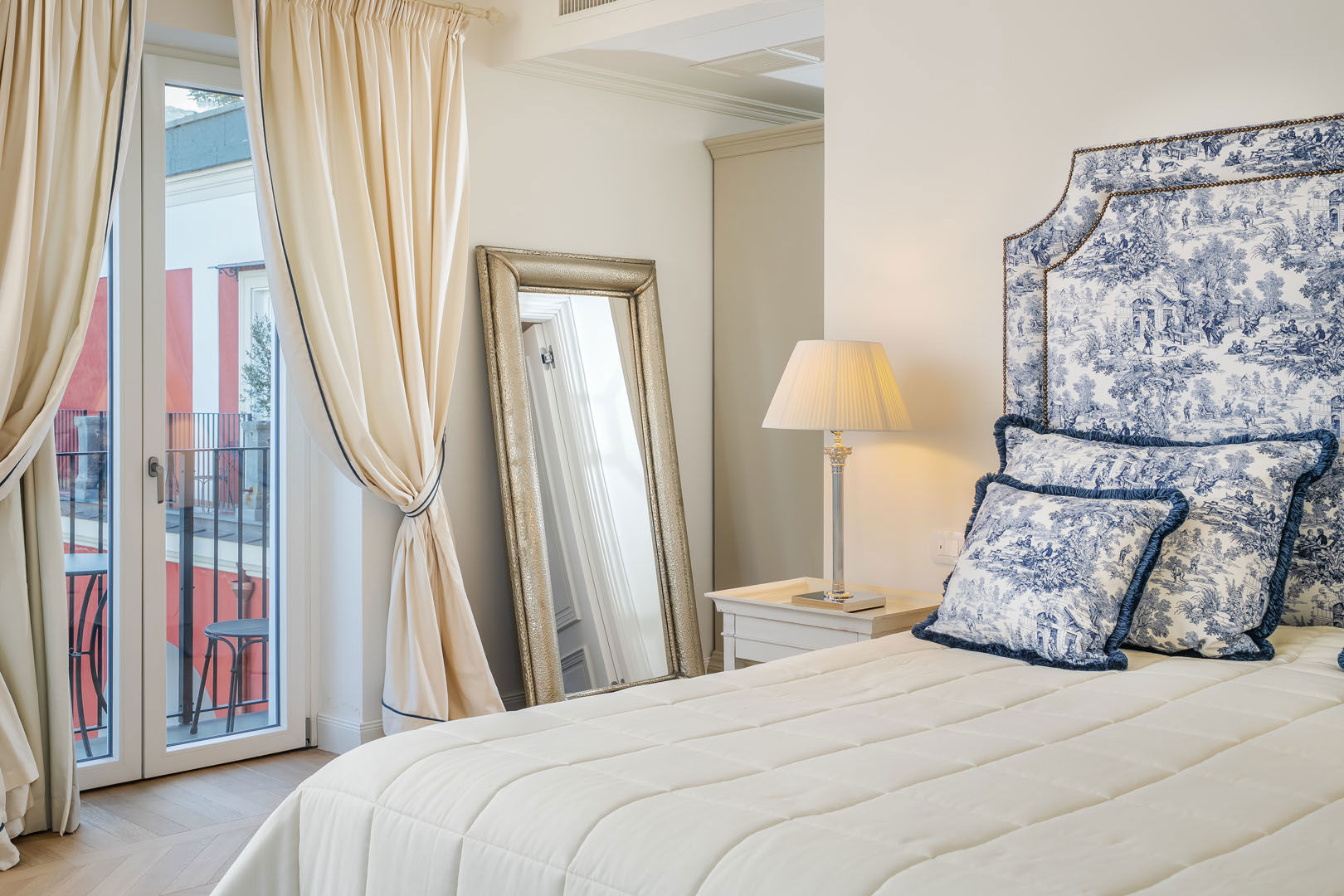
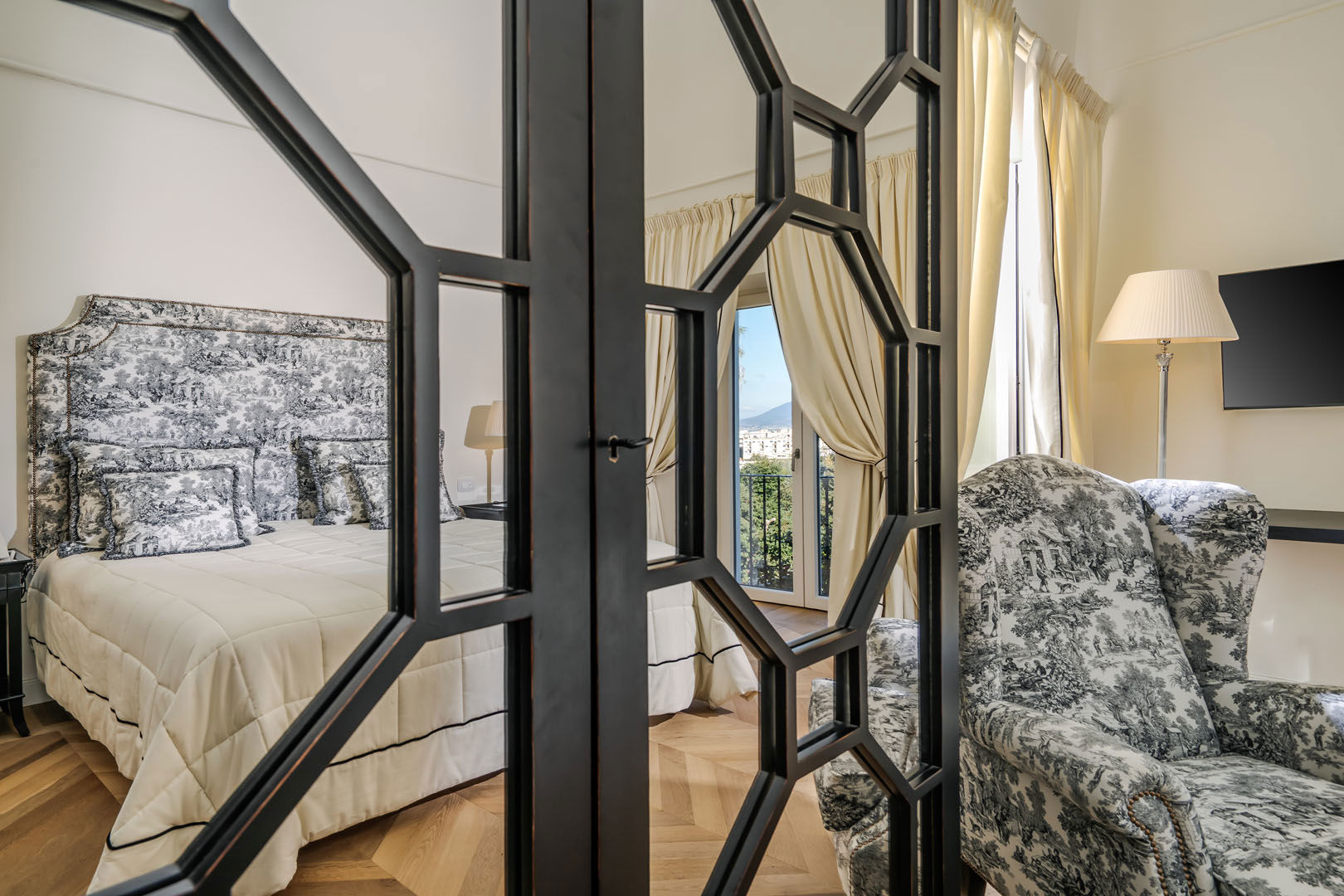
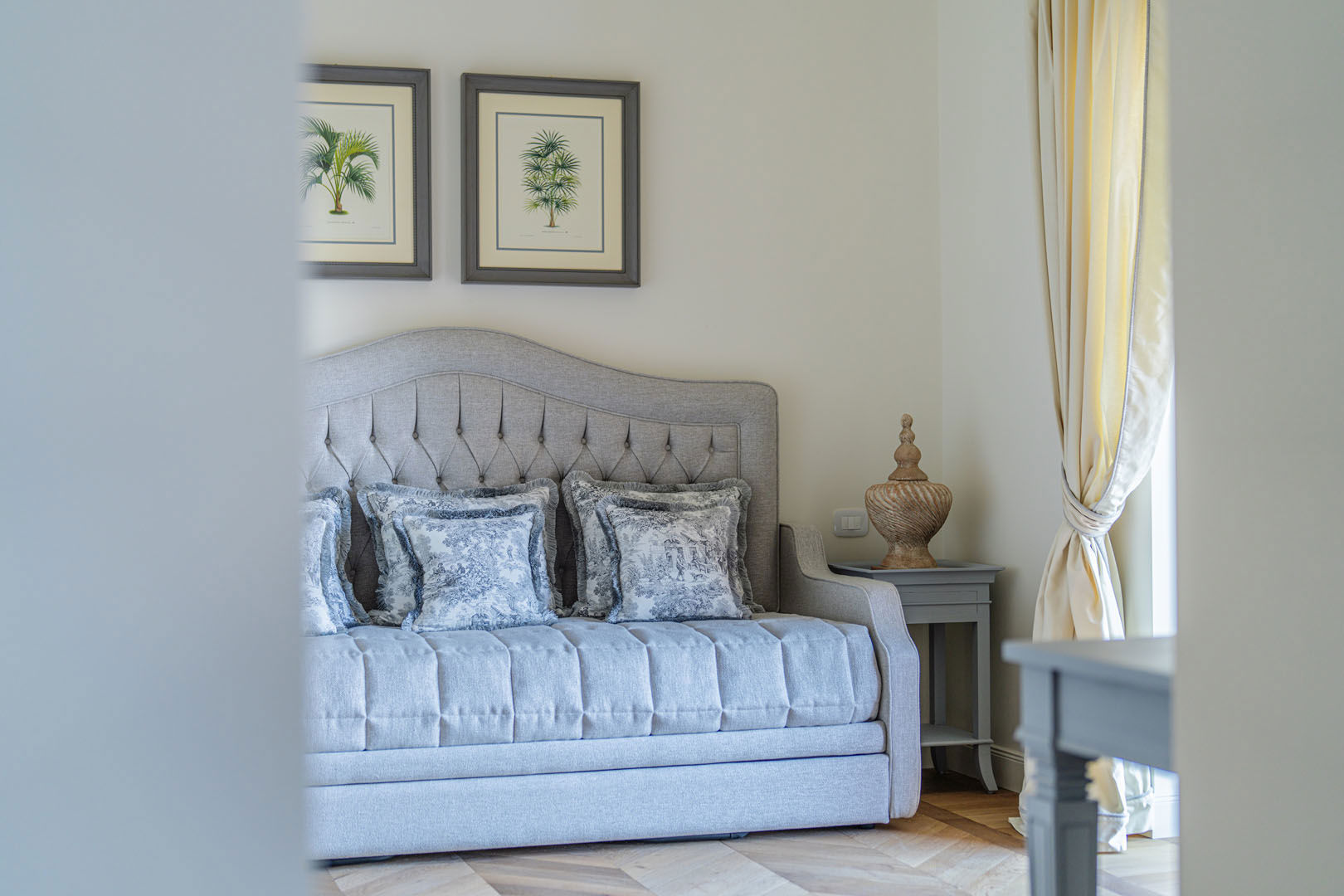
We have curated a thoughtful selection of indoor and outdoor services to transform your stay at La Tuja Relais Du Parc into a modern fairytale, where time seems to slow down, allowing you to reconnect with the rhythm of nature, guided by our professionalism and constant attention to detail.
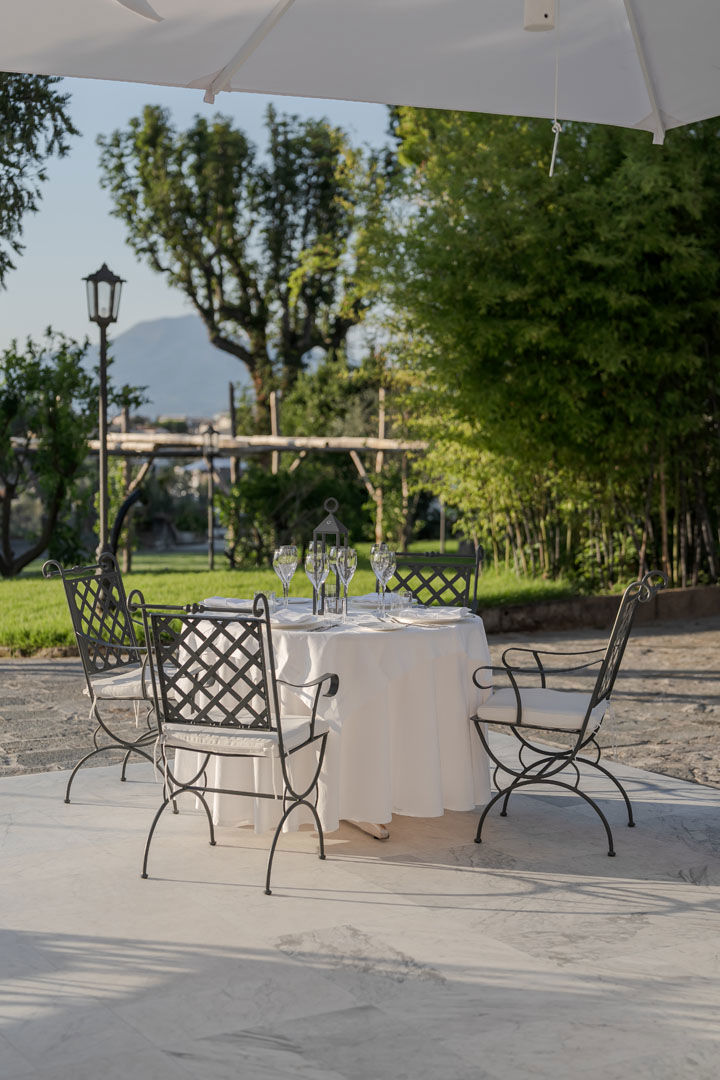
La Tuja Relais Du Parc is a charming setting for events, immersed in the nature of its century-old park in Vico Equense. Thanks to its spacious and refined venues, including the new high-capacity gazebo, the residence can host up to 150 guests for weddings, corporate meetings, MICE events, incentives and private receptions.
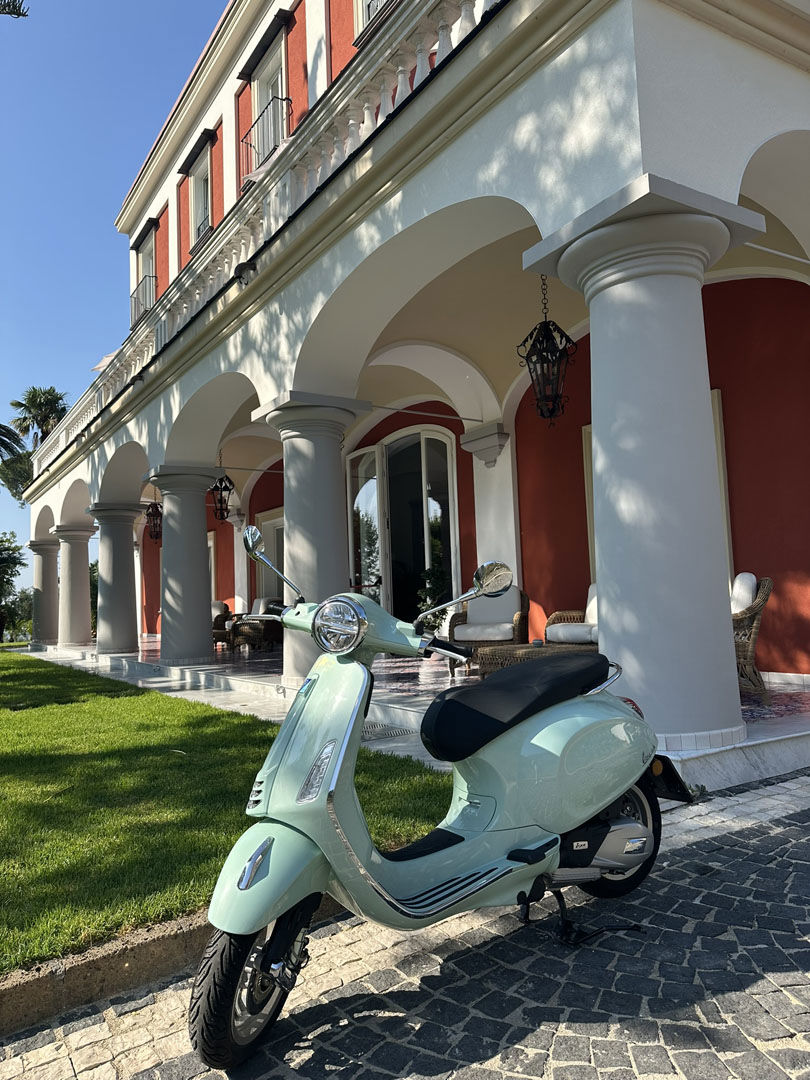
La Tuja Relais Du Parc offers tailor-made experiences designed to introduce guests to the history and traditions of Vico Equense and the Sorrento Coast: from a driving experience aboard a vintage Vespa to boat tours in the Gulf of Naples, from hiking on Mount Vesuvius to visits to Gragnano, the renowned city of pasta.
La Tuja’s privileged location allows guests to reach some of the most iconic destinations of the Sorrento Coast and the Gulf of Naples, surrounded by evocative landscapes, history and the authentic flavours of tradition. From the historic centre of Vico Equense to the archaeological site of Pompeii and Castellammare di Stabia, from Gragnano, the renowned city of pasta, to the Path of the Gods leading towards Positano.